
Over the past two decades, the internet has transformed nearly every industry, and finance is one of the sectors that has experienced the most significant changes. The rise of internet finance has completely changed how people save, spend, invest, and manage their money. Today, individuals no longer need to visit a physical bank branch to perform financial operations. Instead, online platforms allow users to manage their finances from anywhere in the world. This digital transformation has made financial services faster, more accessible, and more efficient than ever before.
What Is Internet Finance?
Internet finance refers to financial services delivered through online platforms, including online banking, digital payments, investment platforms, cryptocurrencies, and financial management apps. These services allow users to perform financial transactions using computers, smartphones, or other internet-connected devices.
Internet finance combines traditional financial services with modern technology, often referred to as fintech (financial technology). Fintech companies are competing with traditional banks by offering faster services, lower fees, and more user-friendly platforms. As a result, consumers now have more options than ever to manage their money online.

Online Banking and Digital Payments
One of the most important developments in internet finance is online banking. Most banks now offer online platforms where customers can check balances, transfer money, pay bills, and manage accounts without visiting a bank branch. This has saved time and improved convenience for millions of people around the world.
Digital payment systems have also become extremely popular. Online payment platforms allow users to send and receive money instantly, pay for online purchases, and even split bills with friends. Contactless payments and digital wallets are becoming more common, reducing the need for cash in everyday transactions.
The main advantages of online banking and digital payments include:
- Convenience and accessibility
- Faster transactions
- Lower transaction costs
- Better financial tracking
- Reduced need for physical cash
These benefits have made digital payments and online banking essential tools in modern personal finance.

Online Investment Platforms
Another major area of internet finance is online investing. In the past, investing in stocks or funds required a broker and significant capital. Today, online investment platforms allow users to start investing with small amounts of money directly from their computers or smartphones.
Online platforms provide access to stocks, exchange-traded funds (ETFs), cryptocurrencies, and other financial assets. Many platforms also offer educational resources, tutorials, and automated investment tools that help beginners start investing easily.
This accessibility has democratized investing, meaning more people can participate in financial markets and grow their wealth over time. Online investing has become particularly popular among younger generations who prefer managing everything digitally.

Personal Finance Management Tools
Internet finance is not only about banking and investing; it also includes personal finance management tools. Many websites and mobile apps allow users to track expenses, create budgets, monitor subscriptions, and set savings goals.
These tools help users understand their spending habits and make better financial decisions. By analyzing income and expenses, users can identify areas where they can save money and improve their financial health.
Some personal finance tools also provide financial advice, savings recommendations, and alerts when users spend more than planned. This makes money management easier and more organized.

Security and Risks of Internet Finance
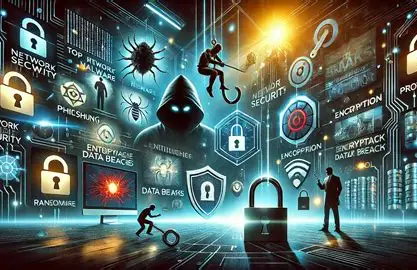
Despite its many advantages, internet finance also comes with risks. Cybersecurity is one of the biggest concerns in online financial services. Hackers, phishing scams, and data breaches can put users’ financial information at risk.
To stay safe when using online financial platforms, users should follow some basic security practices:
- Use strong passwords
- Enable two-factor authentication
- Avoid public Wi-Fi for financial transactions
- Keep software and apps updated
- Only use trusted financial websites and apps
Financial institutions also invest heavily in encryption and security systems to protect users’ data and transactions.
The Future of Internet Finance
The future of internet finance looks very promising. New technologies such as artificial intelligence, blockchain, and digital currencies are expected to further transform the financial industry. Artificial intelligence can help users manage budgets, analyze spending patterns, and provide personalized financial advice.
Blockchain technology may make transactions faster, more transparent, and more secure. Digital currencies and online financial services will likely continue to grow, making the financial system more digital and global.
In the coming years, internet finance will probably become the main way people interact with financial services, replacing many traditional banking activities.

Conclusion
The rise of internet finance has changed the way people manage their money, invest, and perform financial transactions. Online banking, digital payments, investment platforms, and personal finance tools have made financial services more accessible, faster, and more convenient.
However, users must also be aware of security risks and take precautions when managing finances online. As technology continues to evolve, internet finance will continue to grow and play an increasingly important role in personal and global finance.
Internet finance is not just a trend; it is the future of money management in a digital world.