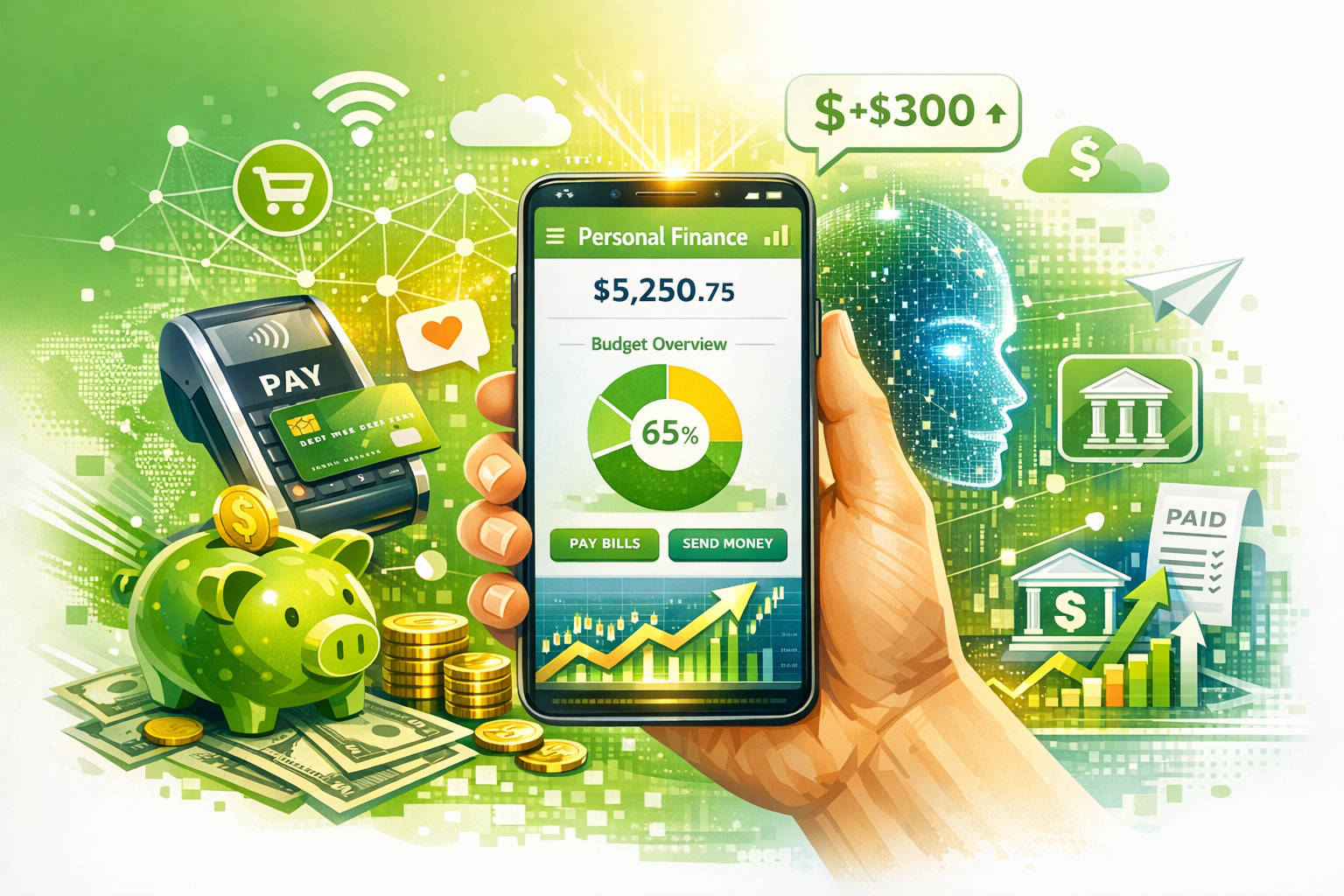
In the last decade, smartphones have evolved from simple communication tools to powerful devices that influence nearly every aspect of our daily lives. One of the most transformative changes has been in personal finance. From budgeting apps to mobile banking and investment platforms, smartphones are reshaping how people manage their money. This article explores the impact of mobile finance, its benefits, and how it is shaping the future of financial management.
The Rise of Mobile Banking
Mobile banking is now a cornerstone of financial convenience. Traditional banking required in-person visits, long queues, and limited access to account information. Today, banking apps provide instant access to balances, transactions, and payment services. Users can transfer funds, pay bills, and even deposit checks directly from their smartphones.
The rise of mobile banking apps has also encouraged financial inclusion. People in remote areas or with limited access to physical banks can now perform transactions securely through their smartphones, reducing barriers to economic participation.
Key Benefits:
- Convenience: Banking tasks can be completed anytime, anywhere.
- Speed: Instant transfers and real-time account monitoring.
- Accessibility: Financial services reach previously underserved populations.
Budgeting and Expense Tracking Apps
Budgeting has traditionally been a tedious process, often involving spreadsheets or manual tracking. Mobile apps have automated this process, providing users with real-time insights into their spending habits. Apps such as Mint, YNAB (You Need a Budget), and PocketGuard allow users to set budgets, track expenses, and receive alerts when they exceed limits.
These tools also help users visualize their financial behavior through charts and graphs, promoting better decision-making. By making the financial picture clear, smartphones empower individuals to take control of their money more effectively.
Key Benefits:
- Automation: Syncs with bank accounts to automatically track expenses.
- Insights: Visual analytics show spending trends and patterns.
- Goal-Oriented: Helps users set and achieve savings targets.
Mobile Investment Platforms
Investment has historically been complex and intimidating for many individuals. Mobile finance apps have simplified this process, democratizing access to stocks, ETFs, and cryptocurrencies. Platforms like Robinhood, Acorns, and eToro allow users to invest with minimal fees and low entry thresholds.
These apps often include educational resources, notifications about market trends, and automated investment strategies, enabling even beginners to participate in wealth-building opportunities. As a result, mobile investment platforms are fostering a generation of more financially engaged individuals.
Key Benefits:
- Accessibility: Investments can be started with small amounts.
- Education: Integrated learning resources reduce knowledge barriers.
- Automation: Tools like robo-advisors manage portfolios with minimal effort.

Security Considerations
While mobile finance offers significant benefits, it also presents new security challenges. Smartphones can be vulnerable to malware, phishing attacks, and unauthorized access. To mitigate risks, users should implement strong security practices, including:
- Two-Factor Authentication (2FA): Adds a second layer of protection.
- Biometric Authentication: Fingerprint or facial recognition ensures secure access.
- Regular Updates: Keeping apps and operating systems up-to-date prevents vulnerabilities.
Financial institutions also invest heavily in encryption, fraud detection, and secure networks, ensuring that mobile finance remains safe and trustworthy.

The Future of Mobile Finance
The evolution of mobile finance is far from over. Emerging technologies like AI, blockchain, and machine learning promise to further transform financial management. AI-driven personal finance assistants can provide tailored advice, predict spending habits, and recommend investment strategies. Blockchain and digital wallets may further simplify international payments and create a decentralized financial ecosystem.
Moreover, as smartphones become even more integrated into daily life, mobile finance will continue to blur the line between traditional banking and technology, offering more personalized, accessible, and efficient financial services.

Conclusion
Smartphones have become essential tools for personal finance, offering unprecedented convenience, accessibility, and control. From mobile banking to budgeting and investing, these devices empower individuals to make smarter financial decisions. While security remains a critical consideration, the ongoing innovation in mobile finance suggests that the future of money management is increasingly digital, personalized, and mobile-first.
By embracing these technologies, individuals can not only simplify their financial lives but also gain a competitive edge in managing and growing their wealth.