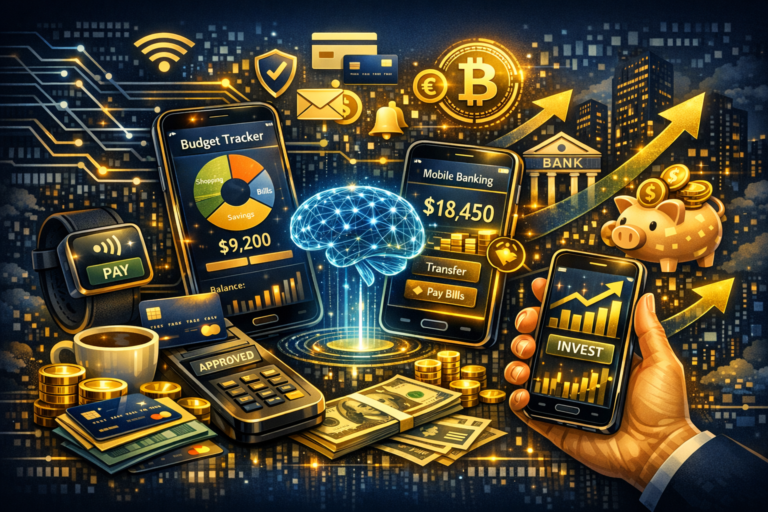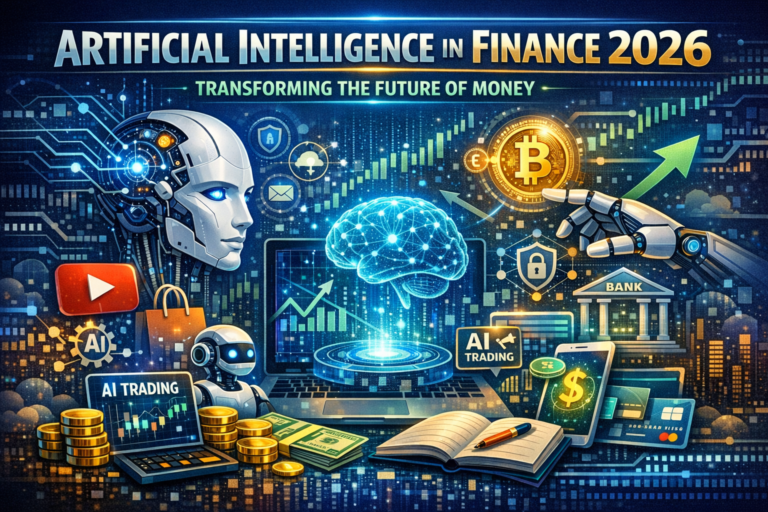
Over the past two decades, the internet has dramatically transformed the way people manage money, invest, save, and make financial decisions. What once required visiting a bank, calling a broker, or meeting a financial advisor can now be done instantly from a smartphone. The internet has made financial information more accessible, reduced investment costs, and created new opportunities such as cryptocurrencies, online trading, and digital banking. However, it has also introduced new risks, including scams, misinformation, and impulsive investing. This article explores how the internet is changing personal finance and investment strategies in the modern world.
Online Banking and Digital Payments
One of the most significant changes brought by the internet is online banking. Today, most people can check their bank accounts, transfer money, pay bills, and manage their finances through mobile apps or websites. Digital banking has made financial management faster, more convenient, and more efficient.
In addition, digital payment systems such as online wallets and payment platforms have reduced the need for cash. People can now pay for products and services instantly, send money internationally, and manage subscriptions easily. This convenience has improved financial accessibility but has also made spending money easier, which can lead to poor spending habits if not managed properly.

Access to Financial Information
Before the internet, financial information was mostly available only to professionals or people who had access to financial advisors. Today, anyone can learn about investing, personal finance, stock markets, and economic trends through websites, online courses, podcasts, and social media.
This democratization of financial information has allowed more people to start investing and managing their money more effectively. However, not all information on the internet is accurate or reliable. Many people make financial decisions based on social media trends, influencers, or unreliable sources, which can lead to risky investments and financial losses.

Online Investing and Trading Platforms
The internet has revolutionized investing through online trading platforms. Investors can now buy stocks, bonds, ETFs, and cryptocurrencies from anywhere in the world. Transaction costs have decreased significantly, and many platforms offer commission-free trading.
This accessibility has increased the number of retail investors in financial markets. While this is positive because more people are investing and building wealth, it has also led to more speculative trading and short-term investing. Many new investors trade frequently, try to time the market, or follow trends instead of using long-term investment strategies.

Cryptocurrencies and Digital Assets
Another major financial innovation driven by the internet is cryptocurrencies and digital assets. Cryptocurrencies have introduced decentralized finance, allowing people to transfer money and invest without traditional banks. Digital assets, including cryptocurrencies and NFTs, have created new investment opportunities and new financial markets.
However, these assets are highly volatile and risky. Many investors enter the cryptocurrency market without understanding the technology or the risks involved. The internet spreads information quickly, which can create hype, speculation, and market bubbles.

Financial Education and Personal Finance Tools
The internet has also improved financial education. There are now budgeting apps, investment trackers, financial calculators, and online courses that help people manage their money better. Many people now track their expenses, set savings goals, and automate investments using digital tools.
Automation is one of the most important advantages of internet-based finance. People can automatically transfer money to savings accounts or investment portfolios every month, which helps build wealth over time through consistency and discipline.

Risks of Internet Finance
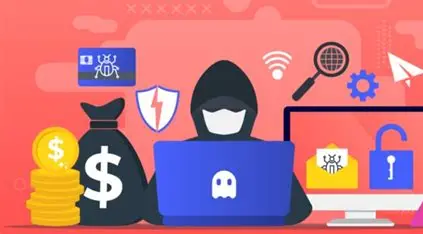
Despite its advantages, the internet has also introduced financial risks. Online scams, phishing attacks, identity theft, and fraudulent investment schemes have become more common. Many people also fall into the trap of impulsive investing due to constant access to markets and financial news.
Another risk is information overload. Investors receive too much information and may make decisions based on short-term news rather than long-term strategies. Social media can also create herd behavior, where people invest in trending assets without proper research.
Conclusion
The internet has completely transformed personal finance and investment strategies by making financial services more accessible, reducing costs, and providing more investment opportunities. Online banking, digital payments, trading platforms, cryptocurrencies, and financial tools have changed how people interact with money and financial markets.
However, the internet has also introduced new risks, including scams, misinformation, impulsive investing, and speculative behavior. To succeed in the modern financial world, individuals must combine the advantages of internet finance with financial education, critical thinking, and long-term investment strategies.
In the future, the internet will continue to shape finance through innovations such as digital currencies, artificial intelligence in investing, and automated financial planning. Understanding how to use these tools responsibly will be essential for financial success in the digital age.