
The financial industry is changing faster than ever, driven by the integration of artificial intelligence (AI) technologies. From risk management to customer service and investment strategies, AI is revolutionizing nearly every aspect of how money is managed, analyzed and optimized. In this article, we explore the most important ways artificial intelligence is shaping finance in 2026 — backed by real applications, key benefits, and essential trends you need to know.
What Is Artificial Intelligence in Finance?
At its core, artificial intelligence in finance refers to using advanced algorithms, machine learning and data‑driven systems to automate complex financial tasks. Unlike traditional software, modern AI systems can learn from data, recognize patterns, and make predictions improving their performance over time. These technologies are not only streamlining operations but also enhancing decision‑making across the financial sector.
Some of the most notable uses of AI in finance include:
- Risk assessment and fraud detection
- Automated investment strategies
- Personalized financial advice
- Regulatory compliance automation
- Customer service via AI chatbots

1. Enhanced Risk Management and Fraud Detection
One of the biggest impacts of AI in finance 2026 is its ability to handle vast amounts of financial data instantly. Machine learning models can identify unusual patterns and flag potential fraud far faster than traditional systems. This real‑time analysis helps financial institutions reduce losses, prevent security breaches and maintain trust with customers.
Unlike rule‑based systems, AI models adapt to new types of fraudulent behavior, which makes them especially valuable in a world where cyberattacks and digital fraud are constantly evolving.

2. Automated Investment Decisions and Portfolio Optimization
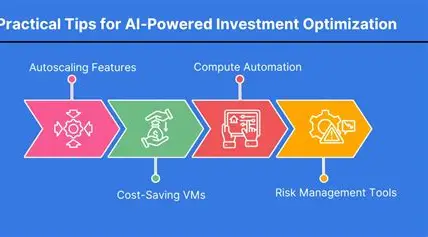
AI algorithms are now widely used in wealth management and investment decisions. These systems analyze historical data, current market conditions, and economic signals to identify optimal investment strategies. Some AI tools even execute trades autonomously based on predictive modeling and risk assessment.
This does not replace human advisors but enhances their ability to make informed decisions, offering more personalized investment paths for clients at all levels.
3. AI‑Powered Customer Service
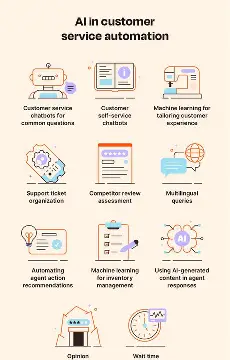
Customer expectations are higher than ever. Financial institutions are turning to AI‑powered chatbots and virtual assistants to provide instant support 24/7. These systems use natural language processing (NLP) to understand and respond to queries — from checking account balances to explaining loan options — without human intervention.
In addition to speed, AI customer interfaces can personalize interactions, giving each user tailored financial insights and guidance.
4. Personalized Financial Planning
Modern AI systems can assess individual behavior, spending patterns, and goals to offer personalized financial advice. Whether it’s savings recommendations, budgeting insights, or retirement planning, AI tools can provide guidance that was once possible only through expensive financial advisors.
This democratization of financial advice means more people can optimize their personal finances — a major trend tied to artificial intelligence in finance 2026.

5. Cost Efficiency and Operational Speed
Automation is a major benefit of AI. Tasks that once required hours or even days — such as compliance reporting, data verification, and transaction reconciliation — can now be completed within minutes or seconds.
This not only reduces operational costs but also frees up human professionals to focus on strategy and innovation. Firms that effectively adopt AI are gaining a competitive advantage through enhanced productivity and improved resource allocation.

Challenges and Ethical Considerations
Despite its promise, AI in finance is not without challenges. Key concerns include:
- Algorithmic bias: AI systems can perpetuate biases present in their training data.
- Lack of transparency: Many models operate as a “black box,” making their decisions hard to interpret.
- Data privacy risks: Handling huge volumes of sensitive financial data raises serious security concerns.
- Regulatory uncertainty: Laws and frameworks for AI governance are still evolving, leaving firms navigating uncharted territory.
Addressing these issues requires careful governance, ethical AI frameworks, and active collaboration between tech teams and regulators.
Future Trends in AI and Finance
Looking ahead, several trends will shape artificial intelligence in finance beyond 2026:
AI‑Driven Wealth Advisory Platforms
Platforms that blend AI insights with human financial advisors will become more common, offering hybrid advisory services.
Generative AI for Financial Forecasting
AI models that generate synthetic data and simulate market scenarios will help firms predict outcomes under various economic conditions.

AI for Global Financial Inclusion
AI tools will extend financial services to underserved markets, using alternative data sources to assess credit worthiness and expand access to loans and banking.
Conclusion
There’s no doubt: artificial intelligence in finance 2026 is redefining the financial landscape. From automating complex processes to enabling smarter investment decisions and personalized customer experiences, AI is a powerful force shaping the future of money management. As technology evolves, those who harness its potential — while navigating risks responsibly — will be at the forefront of financial innovation.
Meta Description: Discover how artificial intelligence in finance 2026 is transforming financial services — from fraud prevention to AI‑powered investing and personalized planning.
Suggested Tags: AI in finance, artificial intelligence finance, fintech trends 2026, finance automation, AI financial tools